ASQ and the University of South Carolina's Darla Moore School of Business will host a conference and paper development workshop on globalizing organization ...

ASQ Interview
Yan, Ferraro, & Almandoz (2018). The Rise of Socially Responsible Investment Funds: The Paradoxical Role of the Financial Logic
Shipeng Yan, Fabrizio Ferraro, and Juan Almandoz recount how a puzzle practitioners kept raising, why responsible investing grows so unevenly across countries, became ...

ASQ Podcast
PODCAST: Lifshitz-Assaf (2018). Dismantling Knowledge Boundaries at NASA: The Critical Role of Professional Identity in Open Innovation
Hila Lifshitz-Assaf admits open innovation initially struck her as unserious: click a button, problem solved. On this podcast episode, she recounts the fieldwork ...

ASQ Podcast
Podcast: Carton(2018). “I’m Not Mopping the Floors, I’m Putting a Man on the Moon”: How NASA Leaders Enhanced the Meaningfulness of Work by Changing the Meaning of Work
Andrew Carton joins the podcast to discuss how NASA leaders under Kennedy changed the meaning of work, so that an engineer building circuits ...

ASQ Interview
Smith & Besharov (2017). Bowing before Dual Gods: How Structured Flexibility Sustains Organizational Hybridity
When Wendy Smith and Marya Besharov asked how Digital Divide Data kept its social and business missions alive for years, the founder handed ...

ASQ Interview
RANGANATHAN (2018). TRAIN THEM TO RETAIN THEM: WORK READINESS AND THE RETENTION OF FIRST-TIME WOMEN WORKERS IN INDIA
For the first-time women workers Aruna Ranganathan studied at an Indian garment factory, what mattered was training in self-presentation, work-life separation, and self-reliance. ...

ASQ Interview
Baumann, Eggers, & Stieglitz (2018). Colleagues and Competitors: How Internal Social Comparisons Shape Organizational Search and Adaptation
What happens when a firm's divisions benchmark against each other instead of against their own past performance? Oliver Baumann, J.P. Eggers, and Nils ...

ASQ Interview
DIBENIGNO (2018). ANCHORED PERSONALIZATION IN MANAGING GOAL CONFLICT BETWEEN PROFESSIONAL GROUPS: THE CASE OF U.S. ARMY MENTAL HEALTH CARE
Julia DiBenigno on comparative ethnography in U.S. Army mental health care: a year of pilot fieldwork across seven posts, then four carefully matched ...

ASQ Podcast
Podcast: Petriglieri, Petriglieri, & Wood(2018). Fast Tracks and Inner Journeys: Crafting Portable Selves for Contemporary Careers
Gianpiero and Jennifer Petriglieri join the podcast to discuss the nomadic class of workers who move across countries, companies, and functions, and to ...

ASQ Interview
Ter Wal, Alexy, Block & Sanders (2016). The Best of Both Worlds: The Benefits of Open-specialized and Closed-diverse Syndication Networks for New Ventures’ Success
Can a network deliver brokerage's diverse information and closure's trust at the same time? Anne ter Wal, Oliver Alexy, Jorn Block, and Philipp ...

ASQ Interview
Petriglieri, Ashford & Wrzesniewski (2018). Agony and Ecstasy in the Gig Economy: Cultivating Holding Environments for Precarious and Personalized Work Identities
Gianpiero Petriglieri, Susan Ashford, and Amy Wrzesniewski wrote about independent workers while working rather like them: often alone, separated by an ocean, trying ...

ASQ Interview
FU, TSUI, LIU, & LI (2010). PURSUIT OF WHOSE HAPPINESS? EXECUTIVE LEADERS’ TRANSFORMATIONAL BEHAVIORS AND PERSONAL VALUES
During interviews for the GLOBE project, Ping Ping Fu and Anne Tsui noticed that some transformational leaders held self-enhancing rather than self-transcendent values. ...
ASQ Podcast
PODCAST: Ferguson, Soule & Dudley (2018). Osmotic Mobilization and Union Support during the Long Protest Wave, 1960–1995.
John-Paul Ferguson joins the podcast to discuss his paper with Sarah Soule and Thomas Dudley, the army of undergraduates who coded decades of ...

ASQ Interview
Bodrožić & Adler (2018). The Evolution of Management Models: A Neo-Schumpeterian Theory
Zlatko Bodrozic and Paul Adler liken studying today's organizations to watching only the last scene of a movie, and they build a neo-Schumpeterian ...
ASQ Interview
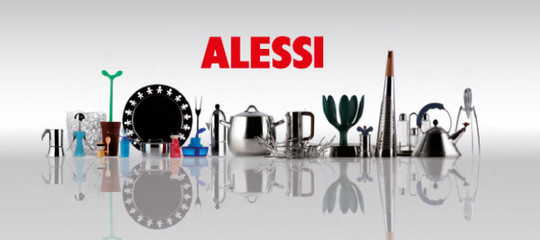
Salvato & Rerup(2018). Routine regulation: Balancing conflicting goals in organizational routines
A reviewer's observation sent Carlo Salvato and Claus Rerup back into their Alessi data: the truces between original design and efficient production were ...

ASQ Interview
ZHANG (2017) A FAIR GAME? RACIAL BIAS AND REPEATED INTERACTION BETWEEN NBA COACHES AND PLAYERS
As a second-year PhD student, Letian Zhang read a study of racially biased NBA referees and started downloading every basketball statistic he could ...

ASQ Interview
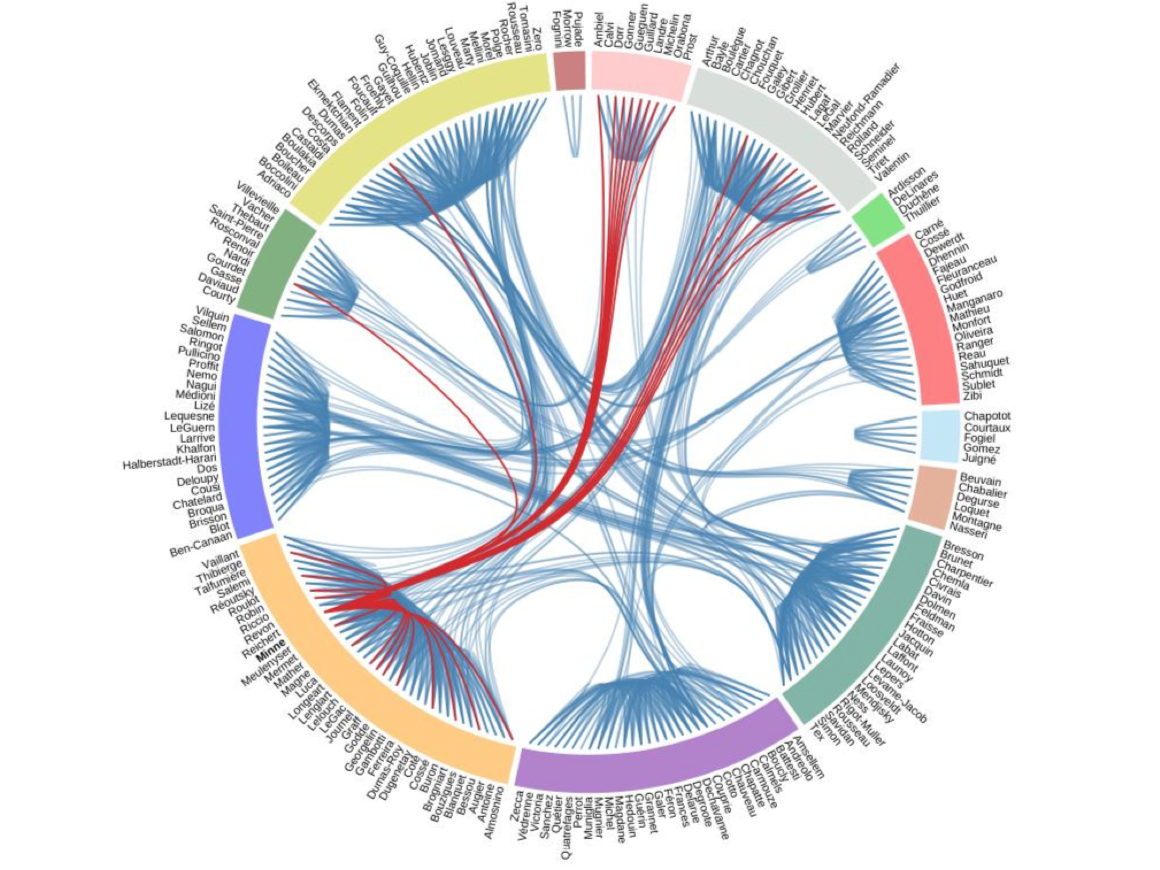
ZHELYAZKOV (2017). INTERACTIONS AND INTERESTS: COLLABORATION OUTCOMES, COMPETITIVE CONCERNS, AND THE LIMITS TO TRIADIC CLOSURE
Pavel Zhelyazkov explains why an intermediary will happily introduce a partner to a mediocre competitor but not to a stellar one, and what ...
ASQ Interview
Clement, Shipilov, & Galunic (2018). Brokerage as a Public Good: The Externalities of Network Hubs for Different Formal Roles in Creative Organizations
Why don't underperforming network hubs pay a reputational price? Julien Clement, Andrew Shipilov, and Charles Galunic field a pushback on their finding that ...

ASQ Interview
KELLER (2017). POSTING AND SLOTTING: HOW HIRING PROCESSES SHAPE THE QUALITY OF HIRE AND COMPENSATION IN INTERNAL LABOR MARKETS
JR Keller traces his interest in internal labor markets back to Friday afternoons at Denny's, where he pored over the sports transactions in ...
ASQ Interview
Short & Toffel (2010). Making Self-Regulation More Than Merely Symbolic: The Critical Role of the Legal Environment
Jodi Short and Michael Toffel were skeptical that firms would self-police voluntarily. Their study of Clean Air Act facilities found regulatory surveillance works ...

ASQ Interview
Ranganathan (2018). The Artisan and His Audience: Identification with Work and Price Setting in a Handicraft Cluster in Southern India
Why would an Indian artisan charge a discerning customer less? Aruna Ranganathan argues that makers who identify with their work grow attached to ...
ASQ Interview
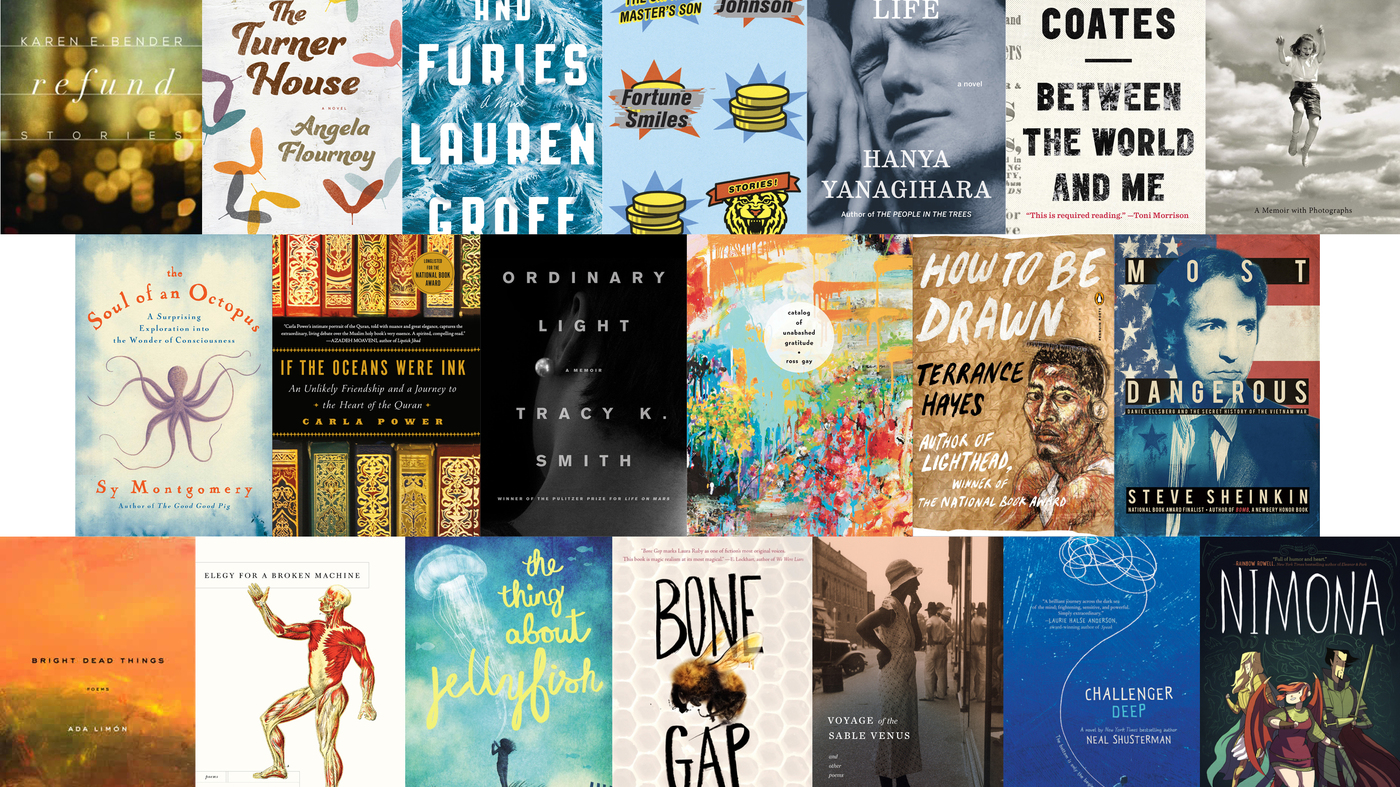
Kovács & Sharkey (2014). The Paradox of Publicity: How Awards Can Negatively Affect the Evaluation of Quality
When book awards led to worse reader ratings, Balázs Kovács and Amanda Sharkey first assumed they had botched the analysis. They describe building ...

Shavin Malhotra, Taco Reus, PengCheng Zhu, and Erik Roelofsen used machine learning on CEOs' unscripted conference-call speech to gauge personality, and found extraverted ...
ASQ editor Henrich Greve opens 2018 on video, reviewing a year of rising submissions and readership and previewing initiatives on evidence presentation, workshops, ...

Our ten most-read posts of 2017, led by a New Year conversation with editor Henrich Greve, the editorial office's Thanksgiving writing tips, and ...

ASQ Interview
Carlos & Lewis (2017). Strategic Silence: Withholding Certification Status as a Hypocrisy Avoidance Tactic
Chad Carlos noticed something odd in a seminar dataset: hotels that had earned costly ecotourism certifications weren't mentioning them anywhere. He and Ben ...
ASQ Podcast
PODCAST: Botelho & Abraham (2017). Pursuing Quality: How Search Costs and Uncertainty Magnify Gender-based Double Standards in a Multistage Evaluation Process
Tristan Botelho and Mabel Abraham join the podcast to discuss gender double standards in multistage evaluations, and Abraham's push to move past documenting ...
ASQ Video
A Conversation with Matthew Bidwell, winner of the 2017 ASQ Award for Scholarly Contribution
Matthew Bidwell, winner of the 2017 ASQ Award for Scholarly Contribution, sits down on video to revisit how 'Paying More to Get Less' ...

A running collection of resources for ASQ's evidence presentation initiative, including AOM workshop slides from editors and authors on visualizing data, numerical narrative, ...

A Thanksgiving special from the ASQ editorial office: writing advice for submissions, what a theoretical contribution actually requires, and why filling a gap ...

ASQ Interview
Anteby (2010). Markets, Morals, and Practices of Trade: Jurisdictional Disputes in the U.S. Commerce in Cadavers
An anatomist once shouted 'Catch!' and threw Michel Anteby a plastinated body part, testing him for disgust. Anteby recounts studying the U.S. cadaver ...

ASQ Interview
Bermiss & Greenbaum (2015). Loyal to Whom? The Effect of Relational Embededdness and Managers’ Mobility on Market Tie Dissolution
When a trusted manager defects to a rival firm, which relationship do clients keep? Sekou Bermiss and Bruce Greenbaum studied lobbyists to learn ...

ASQ Interview
Rogers, Corley & Ashforth (2017). Seeing More than Orange: Organizational Respect and Positive Identity Transformation in a Prison Context
At a business school award luncheon, Kristie Rogers watched Televerde's CEO credit respect for the success of his inmate-staffed call centers. With Kevin ...

ASQ Podcast
PODCAST: Brands & Fernandez-Mateo (2017). Leaning Out: How Negative Recruitment Experiences Shape Women’s Decisions to Compete for Executive Roles
Raina Brands and Isabel Fernandez-Mateo discuss why bruising recruitment experiences lead women to stop competing for executive roles, and what the Lean In ...

ASQ Interview
Sasovova, Mehra, Borgatti & Schippers (2010). Network Churn: The Effects of Self-Monitoring Personality on Brokerage Dynamics
Why study friendship networks rather than advice ties? Zuzana Sasovova, Ajay Mehra, Stephen Borgatti, and Michaela Schippers defend that choice and describe how ...

ASQ Interview
Dalpiaz, Rindova, & Ravasi (2016). Combining Logics to Transform Organizational Agency: Blending Industry and Art at Alessi
How did Alessi turn kitchenware into applied art without being punished for crossing categories? Elena Dalpiaz, Violina Rindova, and Davide Ravasi discuss failed ...

ASQ Interview
Truelove & Kellogg (2016). The Radical Flank Effect and Cross-occupational Collaboration for Technology Development during a Power Shift
Emily Truelove and Katherine Kellogg walk through the countless drafts behind their radical flank paper, including reviewer orders to swap an empirical puzzle ...

ASQ Interview
O’Mahony & Bechky (2008). Boundary organizations: Enabling collaboration among unexpected allies
Siobhan O'Mahony and Beth Bechky revisit a moment when corporate America courting open source communities was genuinely shocking, and explain how boundary organizations ...

ASQ Interview
Azoulay, Repenning, & Zuckerman (2010). Nasty, Brutish, and Short: Embeddedness Failure in the Pharma industry
Pierre Azoulay's 1999 company visits were meant as mere background for a statistical dissertation. He, Nelson Repenning, and Ezra Zuckerman recount how that ...

ASQ Interview
Fayard, Stigliani & Bechky (2016). How nascent occupations construct a mandate: The case of service designers’ ethos
What began as a one-year exploratory study of service design stretched to five. Anne-Laure Fayard, Ileana Stigliani, and Beth Bechky describe how reviewers, ...

ASQ Interview
Cobb & Stevens (2017). These Unequal States: Corporate Organization and Income Inequality in the United States
Adam Cobb and Flannery Stevens argue that where large firms employ fewer people, state income inequality rises. The idea traces back to Jerry ...

ASQ Podcast
Greenberg & Mollick (2017): Activist Choice Homophily and the Crowdfunding of Female Founders
Ethan Mollick joins the podcast to explain a puzzle he and Jason Greenberg chased: why women outperform men on Kickstarter, and why they ...

ASQ Interview
Dutta (2017): Creating in the Crucibles of Nature’s Fury–Associational Diversity and Local Social Entrepreneurship after Natural Disasters in California, 1991–2010
Why do some communities answer natural disasters with a burst of social entrepreneurship? Sunasir Dutta points to the variety of local voluntary associations, ...

ASQ Interview
Flynn, Chatman, & Spataro (2011). Getting to Know You: The Influence of Personality on Impressions and Performance of Demographically Different People in Organizations
Francis Flynn, Jennifer Chatman, and Sandra Spataro flip the usual question about stereotyping: instead of studying perceivers, they ask whether extraverted, self-monitoring targets ...

ASQ Interview
Yue, Luo & Ingram (2013). The Failure of Private Regulation: Elite Control and Market Crises in the Manhattan Banking Industry
Writing from Columbia during the 2008 crisis, Lori Yue, Jiao Luo, and Paul Ingram looked back to 1907, when Manhattan's banking elite let ...

ASQ Interview
Bidwell (2011). Paying More to Get Less: The Effects of External Hiring Versus Internal Mobility
Reading statistics on the cost of replacing workers, Matthew Bidwell kept wondering how anyone actually knew. The answer became a paper showing that ...

Does guanxi fade as markets mature? Heather Haveman, Nan Jia, Jing Shi, and Yongxiang Wang found the opposite in China, where state power ...

ASQ Interview
Chen & Nadkarni (2017): It’s about Time! CEOs’ Temporal Dispositions, Temporal Leadership, and Corporate Entrepreneurship
Strategy research long treated time as an external constraint imposed on executives. Jianhong Chen and Sucheta Nadkarni explain why they went looking inside ...

ASQ Interview
Jordan, Sivanathan & Galinsky (2011). Something to Lose and Nothing to Gain: The Role of Stress in the Interactive Effect of Power and Stability on Risk Taking
What do destabilized baboon hierarchies have to do with executive risk-taking? Jennifer Jordan, Niro Sivanathan, and Adam Galinsky trace their study of power, ...

ASQ Podcast
Gupta & Wowak (2017). The Elephant (or Donkey) in the Boardroom: How Board Political Ideology Affects CEO Pay.
Abhinav Gupta and Adam Wowak join the podcast to discuss how directors' political ideologies shape CEO pay, and how Federal Election Commission records ...